 Skip to content
Art isn’t just something pretty to hang on a wall, it’s a mirror of society, a political statement, and sometimes, a cultural revolution. Throughout history, some paintings have done more than impress. They’ve challenged power, shifted ideas, and sparked global conversations.
Let’s explore some of the most iconic paintings that changed history and the powerful stories behind them.
The Birth of Venus – Sandro Botticelli (1485)

In the middle of the religious Middle Ages, Botticelli painted a nude goddess. Venus is shown being born from the sea, surrounded by mythological figures, in a moment of grace and beauty.
- It marked the return of classical mythology and feminine beauty in art.
- It helped spark the Renaissance, a movement that redefined art, science, and culture in Europe.
The Persistence of Memory – Salvador Dalí (1931)
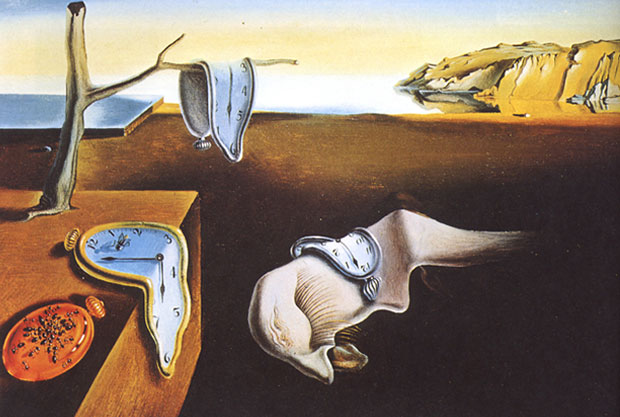
This surrealist painting — with melting clocks in a dreamlike desert — changed how people saw reality, time, and the subconscious.
- It questioned the meaning of time, dreams, and control.
- Helped surrealism become a global art movement.
Guernica – Pablo Picasso (1937)
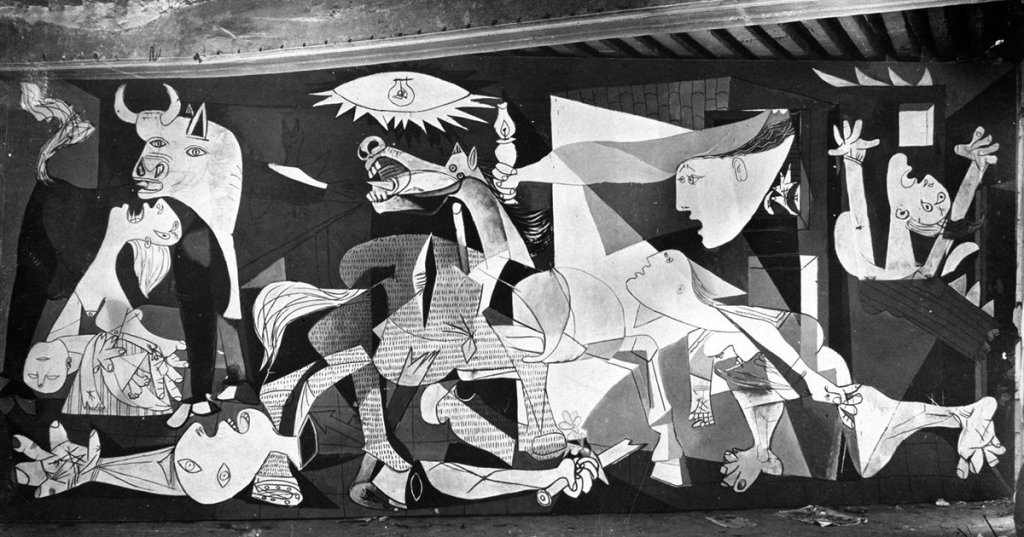
This massive black-and-white painting was Picasso’s emotional reaction to the bombing of the Spanish town of Guernica during the Spanish Civil War. Instead of painting glory or nationalism, he painted pain, chaos, and suffering.
- It became an international symbol of the horrors of war.
- Nazi officers banned it in occupied France.
- Picasso refused to let it be displayed in Spain until democracy was restored.
American Gothic – Grant Wood (1930)

This iconic painting of a stern farmer and his daughter (or wife — art historians debate it) became a symbol of American resilience during the Great Depression.
- Captured the mood of an entire nation in one image.
- Became one of the most parodied and recognized paintings ever.
Liberty Leading the People – Eugène Delacroix (1830)

This painting is a dramatic and emotional tribute to the French Revolution of 1830. The woman in the center, holding the French flag, is a symbol of freedom and revolution.
- It made Liberty look strong, feminine, and fearless.
- Inspired other countries to see revolution as a fight for dignity.
Did you know?
The woman in the painting is believed to have inspired the Statue of Liberty
The Scream – Edvard Munch (1893)

This haunting image of a figure in emotional agony became the symbol of modern anxiety and inner turmoil.
- It broke with realism and expressed raw emotion.
- Became a pop culture symbol — from memes to horror films.
Fun fact:
There are actually four versions of The Scream. One was stolen from a museum but later recovered.
Girl with a Pearl Earring – Johannes Vermeer (1665)

Often called the “Mona Lisa of the North,” this intimate, mysterious portrait continues to fascinate people centuries later.
- A quiet study of emotion, gaze, and light.
- Elevated the status of everyday women in portraiture.
Did you know?
No one knows who the girl really was. But her piercing gaze has kept viewers wondering for over 350 years.


Leave a Reply